
Entry-level stereo receivers have made a quiet comeback. Many listeners are stepping away from complex home theater setups and returning to simple, two-channel systems built around music. In that space, two models come up again and again: the Sony STR-DH190 and the Yamaha R-S202BL. Both target budget-conscious buyers who want better sound than a soundbar or mini system can deliver.
At first glance, these two stereo receivers look similar. Each offers Bluetooth, enough power for most bookshelf or tower speakers, and a no-nonsense design. Once you dig deeper, the differences become clearer. This in-depth comparison breaks down sound quality, features, usability, and real-world value to help you decide which one fits your setup best.
Overview of Sony STR-DH190 and Yamaha R-S202BL
Both receivers are built for listeners who want straightforward stereo playback without surround sound, HDMI switching, or streaming apps. Their design philosophy focuses on simplicity, yet each brand approaches that goal differently.
Sony STR-DH190 at a Glance
The Sony STR-DH190 is designed with flexibility in mind. It aims to serve beginners, vinyl listeners, and casual users who want modern convenience alongside traditional stereo sound. Sony includes features that make system expansion easy, even for users with limited experience.
This receiver often appeals to people upgrading from a Bluetooth speaker or compact stereo system.
Yamaha R-S202BL at a Glance
The Yamaha R-S202BL follows a more traditional path. Yamaha emphasizes clean amplification, conservative engineering, and long-term reliability. The feature set is minimal by design, focusing on core stereo performance rather than extras.
This receiver is often chosen by listeners who value simplicity and a classic hi-fi approach.
Design, Build Quality, and Layout
Physical design may not affect sound directly, yet it influences daily use and long-term satisfaction.
Physical Design and Front Panel Controls
The Sony STR-DH190 has a modern look with a clean front panel, large volume knob, and clearly labeled buttons. Controls are spaced well, making them easy to use from a distance.
The Yamaha R-S202BL takes a more understated approach. Its front panel feels traditional, with a symmetrical layout and fewer buttons. This simplicity appeals to users who prefer a distraction-free interface.
Build Materials and Chassis Quality
Yamaha has a strong reputation for solid construction, and the R-S202BL reflects that. The chassis feels rigid, and internal layouts prioritize airflow and stability.
Sony’s build quality is lighter, though still acceptable for its class. The focus is on efficiency rather than heavy materials.
Amplifier Power and Performance Specs
Power ratings often cause confusion, especially when comparing receivers from different brands.
Power Ratings Explained
Both receivers are rated at around 100 watts per channel into 8 ohms. Yamaha publishes a full-bandwidth rating, while Sony lists power at a single frequency. In practice, both provide enough output for small to medium rooms.
Real-world listening reveals that neither receiver feels underpowered with typical speakers.
Speaker Compatibility and Impedance Handling
The Sony STR-DH190 supports speakers rated between 6 and 16 ohms, offering more flexibility for different setups. Yamaha recommends 8-ohm speakers only, which limits pairing options slightly.
This difference matters if you plan to experiment with various speaker models.
Sound Quality Comparison
Sound quality remains the most important factor for most buyers.
Sony STR-DH190 Sound Signature
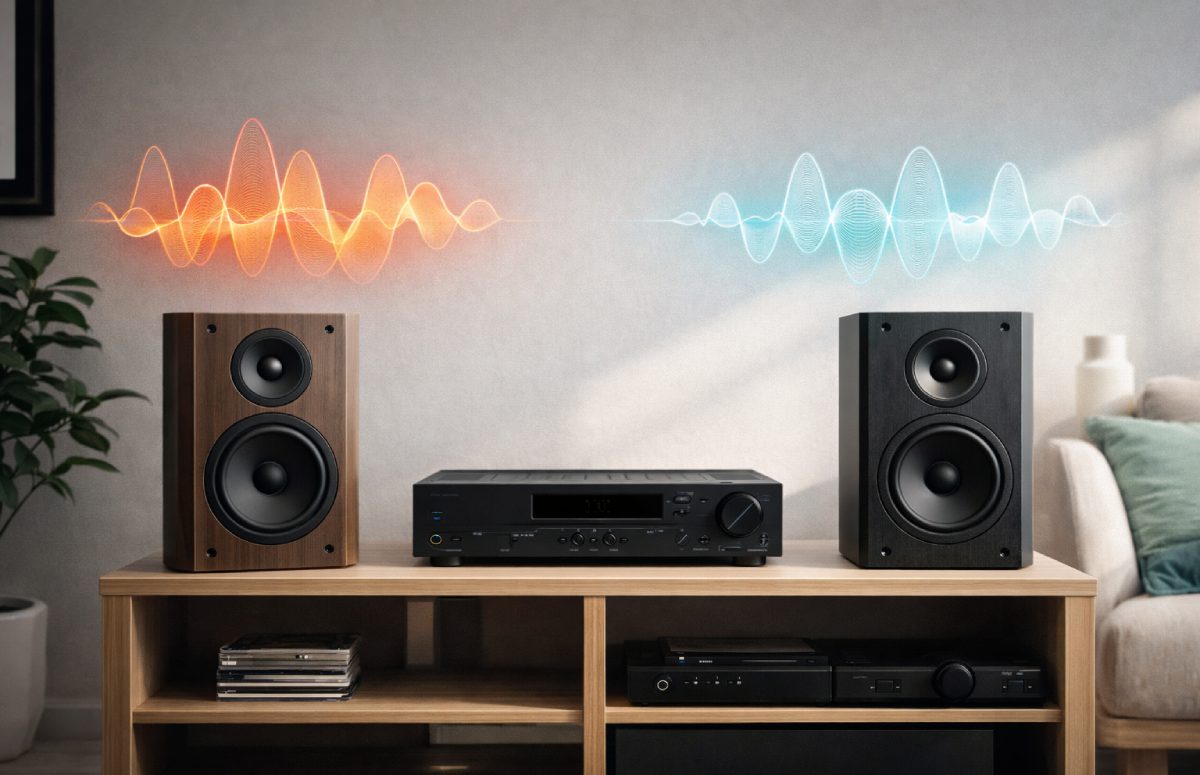
Sony’s sound leans slightly warm. Bass feels present and full, while mids remain smooth. This character works well for casual listening and modern music genres.
The presentation feels relaxed rather than analytical.
Yamaha R-S202BL Sound Signature
Yamaha aims for neutrality. The R-S202BL delivers clear mids, controlled bass, and a balanced top end. This sound suits acoustic music, jazz, and longer listening sessions.
Listeners who prefer accuracy often gravitate toward Yamaha.
Music Genre Performance
Rock and pop benefit from Sony’s fuller low end. Jazz and classical recordings often shine through Yamaha’s cleaner presentation. Neither receiver sounds bad; the difference lies in taste.
Connectivity and Input Options
Connectivity can determine how easily a receiver fits into your existing setup.
Analog Inputs and Line-Level Sources
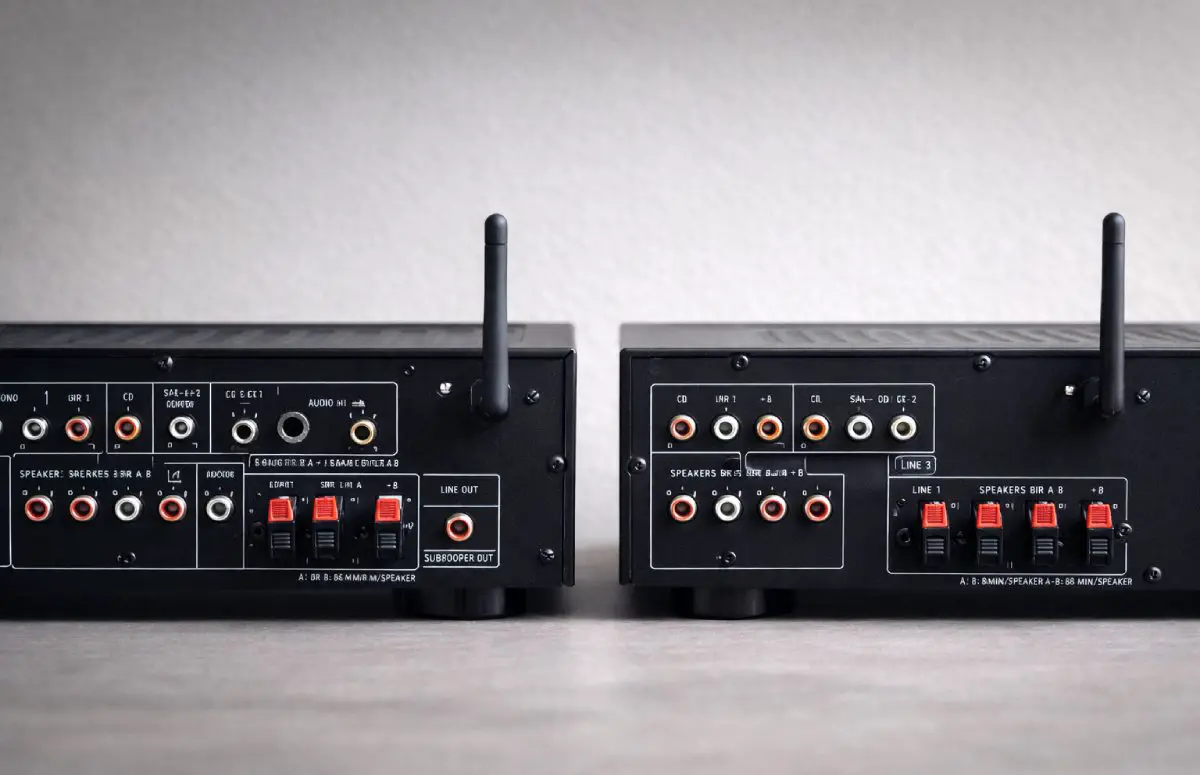
Both receivers include multiple RCA inputs for CD players, media streamers, and other analog sources. Neither includes digital inputs, reinforcing their stereo-only focus.
Phono Input for Turntables
This is one of the biggest differences. The Sony STR-DH190 includes a built-in phono preamp, allowing direct connection of a turntable.
The Yamaha R-S202BL lacks a phono input. Vinyl users need an external phono preamp, adding cost and complexity.
Subwoofer Output and System Expansion
Sony includes a dedicated subwoofer pre-out, making bass expansion simple. Yamaha does not offer a subwoofer output, limiting low-frequency upgrades.
Bluetooth Performance and Convenience
Bluetooth adds everyday convenience, though expectations should remain realistic.
Bluetooth Setup and Stability
Both receivers pair easily with phones and tablets. Connections remain stable within typical room distances.
Bluetooth Audio Quality
Neither receiver supports advanced Bluetooth codecs. Audio quality is suitable for background listening but does not replace wired sources for critical listening.
Ease of Setup and Daily Use
Simplicity defines both models.
Initial Setup Experience
Connecting speakers and sources is straightforward on both receivers. Clear labeling helps beginners avoid mistakes.
Remote Control and Interface
Both remotes are basic but functional. Sony’s remote includes more direct-access buttons, while Yamaha keeps things minimal.
Reliability and Long-Term Ownership
Long-term reliability matters, especially for budget components.
Brand Reputation
Yamaha has a strong history of durable stereo receivers. Sony’s reputation is mixed, though many users report years of trouble-free use.
Heat Management and Stability
Both receivers run cool under normal conditions. Adequate ventilation remains important for longevity.
Ideal Use Cases for Each Receiver
Each model shines in different scenarios.
Who Should Buy Sony STR-DH190
The Sony STR-DH190 suits vinyl beginners, users adding a subwoofer, and anyone who wants flexibility without extra boxes.
Who Should Buy Yamaha R-S202BL
The Yamaha R-S202BL fits listeners who value simplicity, neutrality, and long listening sessions without system tweaks.
Key Differences at a Glance
Sony offers more features, including a phono input and subwoofer output. Yamaha focuses on clean stereo performance and long-term reliability.
Frequently Asked Questions
Does Yamaha R-S202BL need a phono preamp?
Yes. A turntable requires an external phono preamp with this receiver.
Can I add a subwoofer to Yamaha R-S202BL?
Not directly. There is no dedicated subwoofer output.
Is Sony STR-DH190 good for vinyl?
Yes. Its built-in phono preamp makes it vinyl-friendly.
Which receiver sounds better?
Sound preference varies. Sony sounds warmer, while Yamaha sounds more neutral.
Are these good alternatives to soundbars?
Yes. Both deliver better stereo separation and clarity with proper speakers.
Final Verdict: Which Stereo Receiver Should You Choose?
The Sony STR-DH190 and Yamaha R-S202BL serve similar audiences yet approach stereo sound differently. Sony focuses on convenience and flexibility, making it appealing to beginners and vinyl listeners. Yamaha prioritizes traditional stereo performance and long-term reliability.
Your choice depends on how you listen. If you want easy expansion and modern features, Sony fits better. If you value simplicity and clean sound, Yamaha stands out. Either way, both receivers offer solid performance and remain strong choices in the budget stereo category.