
Upgrading tweeters is one of the fastest ways to improve clarity, detail, and vocal presence in a car audio system. High frequencies shape how crisp music feels, yet many drivers hesitate to install tweeters because they do not want to drill holes or permanently alter their interior.
The good news is that installing tweeters without permanent modifications is completely possible. With the right mounting methods, careful placement, and reversible wiring techniques, you can enjoy better sound while keeping your vehicle fully intact. This guide walks through practical, real-world solutions that work for daily-driven cars, leased vehicles, and first-time audio upgrades.
Why Avoid Permanent Tweeter Installations
Permanent installations often deliver a clean, factory-style look, but they come with drawbacks that matter to many car owners.
Risks of Drilling and Cutting Interior Panels
Drilling holes into door panels, A-pillars, or dashboards carries obvious risks. Plastic trim can crack, clips may break, and resale value may drop. Once a hole is cut, reversing the change becomes difficult or impossible.
Airbags, wiring looms, and sensors often sit behind interior panels. A misplaced drill bit can cause costly damage or safety issues.
When Non-Permanent Installs Make the Most Sense
Non-permanent tweeter installs work well for leased vehicles, temporary builds, or drivers who want better sound without committing to irreversible changes. They also allow experimentation with placement before deciding on a permanent solution later.
Tweeter Basics You Should Know Before Installing
Knowing how tweeters behave helps you get the best results from any mounting method.
What Tweeters Do in a Car Audio System
Tweeters reproduce high frequencies such as vocals, cymbals, and string detail. Without them, sound often feels dull or closed-in. Adding tweeters improves clarity and separation, especially at lower listening volumes.
Why Placement Matters More Than Mount Type
High frequencies are directional. Tweeters aimed toward your ears usually sound clearer than those firing at your knees or feet. Height and angle influence soundstage and imaging more than the difference between surface and flush mounting.
Best Non-Permanent Tweeter Mounting Methods
Several mounting options allow tweeters to be installed securely while remaining fully reversible.
Surface Mounting Tweeters
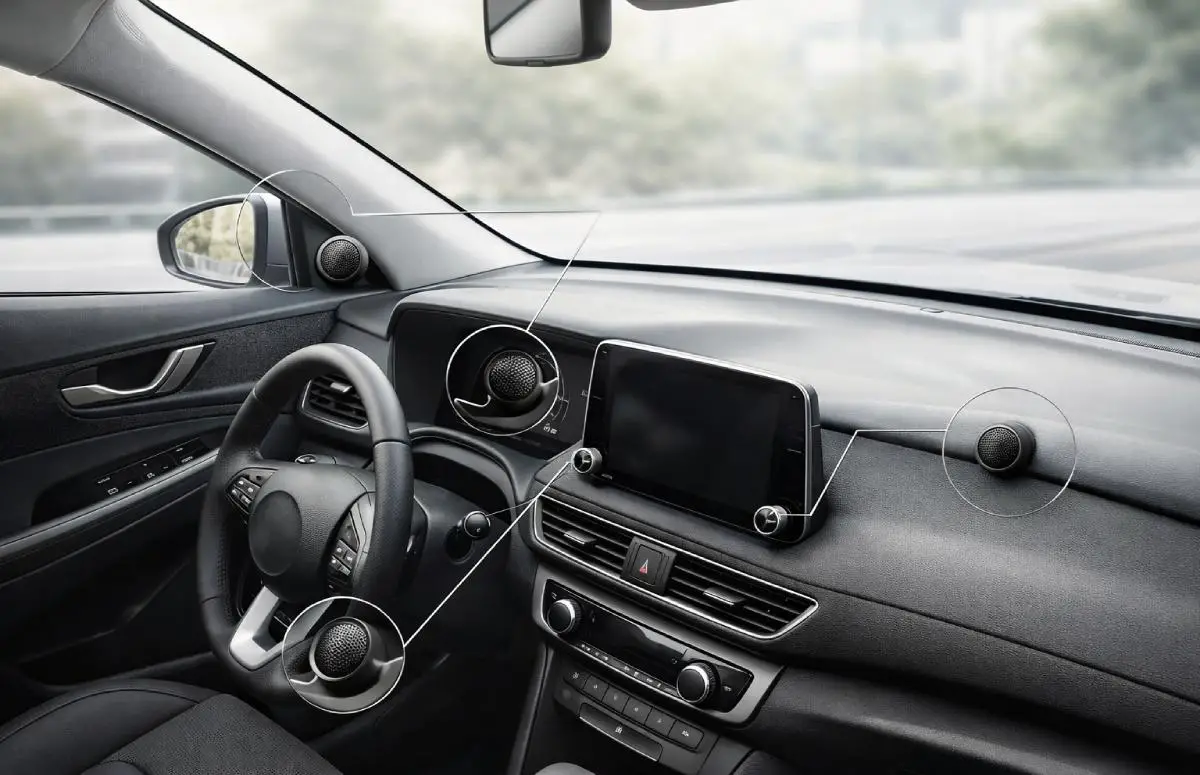
Surface mount tweeters sit inside small pods that attach to interior panels. These pods require no large holes and can be removed later. Surface mounting works well on dashboards, sail panels, and door trims.
This method trades a slightly visible pod for easy installation and flexibility.
Angle Mounting Without Drilling
Angle mounts tilt tweeters toward the listener, improving imaging. Many angle pods attach using adhesive pads or existing trim edges. Proper aiming often matters more than hiding the tweeter completely.
Using Adhesive Pads and Double-Sided Tape
Automotive-grade double-sided tape provides strong holding power while remaining removable. When used with surface or angle pods, tape allows testing different locations before final placement.
Cleaning surfaces with alcohol improves adhesion and reduces vibration.
Clip-On and Bracket-Based Mounts
Some tweeters can mount using clips or custom brackets that grab trim seams or factory openings. These solutions avoid drilling and can look surprisingly clean when installed carefully.
Common Locations for Non-Permanent Tweeter Installs
Location affects sound quality as much as the mounting method.
Dash-Mounted Tweeters
Dash placement keeps tweeters high and close to ear level. This location improves soundstage height but may introduce windshield reflections. Aiming tweeters slightly inward helps reduce harshness.
Sail Panels and Mirror Triangles
Sail panels near side mirrors offer excellent positioning. They sit close to ear level and often allow easy removal. Many installers favor this spot for non-permanent setups.
A-Pillar and Door Panel Options
A-pillars provide great imaging but require caution due to airbags. Door panels work when aimed properly, though sound may feel lower if tweeters sit too far down.
Temporary Wiring Without Cutting Factory Harnesses
Clean wiring keeps the installation reversible and safe.
Routing Tweeter Wires Safely
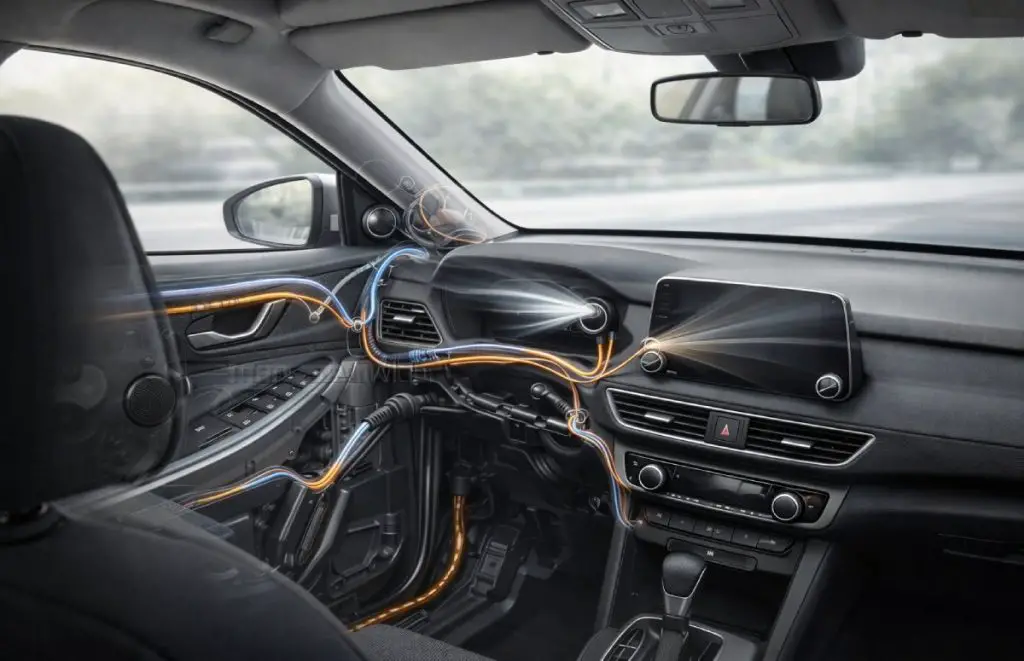
Following factory wiring paths prevents rattles and pinched wires. Tucking cables behind trim panels keeps the install tidy and removable.
Using Existing Grommets and Panels
Many cars have unused grommets or pass-throughs that allow wire routing without drilling. Taking time to plan the path avoids unnecessary modifications.

Testing Tweeter Placement Before Final Mounting
Testing placement saves time and frustration.
Why Trial Placement Is Important
Small changes in angle or height can alter soundstage and brightness. Testing lets you find the sweet spot before committing.
How to Temporarily Position Tweeters
Using tape or removable adhesive allows listening tests while driving. Adjust placement over several days to account for different music and road noise.
Sound Quality Expectations With Non-Permanent Installs
Non-permanent installations deliver noticeable improvements with minor trade-offs.
What You Gain
Expect clearer vocals, better detail, and improved stereo imaging. Tweeters often make systems sound louder and more dynamic without increasing volume.
Limitations Compared to Flush Mounting
Surface mounts may be more visible and slightly less secure long-term. Still, sound quality differences remain minimal when placement and angle are correct.
Non-Permanent vs Permanent Tweeter Installation
Both approaches have advantages depending on goals.
Sound Performance Comparison
Properly aimed surface-mounted tweeters can sound nearly identical to flush-mounted ones. Placement usually matters more than how deeply the tweeter sits.
Longevity and Stability
Permanent mounts resist vibration better over many years. Non-permanent methods still hold up well when installed with quality materials.
Frequently Asked Questions
Can tweeters be installed without drilling?
Yes. Surface mounts, adhesive pads, and clip-on brackets allow secure installation without drilling holes.
Is double-sided tape strong enough for tweeters?
Automotive-grade tape holds well when surfaces are clean and vibration is controlled.
Where should I place tweeters for best sound?
Near ear level and aimed toward the listener usually produces the best results.
Will surface mounting hurt sound quality?
No. Proper placement and angle matter more than mounting depth.
Are non-permanent installs safe for daily driving?
Yes. When mounted securely and wired correctly, non-permanent installs remain reliable for everyday use.
Better High Frequencies Without Permanent Changes
Installing tweeters without permanent modifications gives you flexibility, safety, and strong sound improvements. With careful placement, reversible mounting methods, and clean wiring, you can enjoy clearer highs without risking your interior.
If you ever decide to go permanent, non-permanent installs also serve as valuable test runs. Until then, they deliver impressive results while keeping your car exactly the way you want it.