
Upgrading a car audio system often starts with one key component: the amplifier. Factory systems usually lack the power and control needed to bring aftermarket speakers or subwoofers to life. This is where the Pioneer GM amplifier series has built a solid reputation over the years, especially among daily drivers who want dependable performance without moving into high-end audiophile pricing.
The Pioneer GM series focuses on practical car audio upgrades. These amplifiers are designed to deliver clean power, easy installation, and long-term reliability rather than chasing extreme competition numbers. In this practical review, we take a real-world look at the Pioneer GM amplifier lineup, covering design, sound quality, features, reliability, and who these amps truly work best for.
Overview of the Pioneer GM Amplifier Series
Pioneer’s GM amplifier series is one of the brand’s longest-running car audio product lines. It is aimed at users who want a noticeable improvement over factory sound without dealing with overly complex tuning or oversized equipment.
What Is the Pioneer GM Series?
The Pioneer GM series includes a wide range of car amplifiers built for different system layouts. The lineup covers mono amplifiers for subwoofers, 2-channel and 4-channel models for speakers, and even 5-channel amplifiers that can power an entire system from a single chassis.
These amplifiers are positioned as mid-tier options, sitting above entry-level no-name amps while remaining accessible to most car audio enthusiasts.
GM-A vs GM-D Models Explained
Pioneer splits the GM series into two main families. GM-A models are traditional analog amplifiers designed for simplicity and affordability. GM-D models use Class-D digital amplification, which improves efficiency, reduces heat, and allows for higher power output in a compact size.
GM-A amplifiers are often used for speaker upgrades, while GM-D amplifiers are commonly chosen for subwoofer systems or space-limited installations.
Popular Pioneer GM Amplifier Models
While the GM series includes many models, a few stand out due to popularity and real-world performance.
GM-D Mono Amplifiers for Subwoofers
Mono amplifiers such as the GM-D9701 are designed specifically for subwoofer duty. These Class-D amps deliver strong low-frequency power while maintaining efficiency. They are commonly paired with single or dual subwoofer setups in daily-driven vehicles.
The focus here is controlled bass output rather than raw SPL numbers.
GM-A and GM-D Multi-Channel Amplifiers
For speaker systems, Pioneer offers 2-channel and 4-channel GM amplifiers that power component or coaxial speakers. Five-channel models combine speaker and subwoofer amplification into one unit, making them ideal for clean, space-saving installs.
Key Specifications That Matter in Real Use
Specs look impressive on paper, but understanding how they translate into daily driving makes the difference.
Power Ratings and RMS Reality
Pioneer publishes both RMS and maximum power ratings. RMS power is the figure that matters most because it reflects continuous output. In real-world use, GM amplifiers tend to deliver close to their rated RMS power when installed correctly.
This consistency makes system matching easier and reduces the risk of speaker damage.
Impedance Stability and Load Handling
Many GM-D mono amplifiers are stable down to low impedance loads, allowing flexibility when wiring subwoofers. This makes them suitable for common 2-ohm or 1-ohm configurations when used properly.
Stable impedance handling contributes to both sound quality and reliability.
Signal-to-Noise Ratio and Distortion
Pioneer GM amplifiers typically offer high signal-to-noise ratios and low total harmonic distortion. In daily driving, this translates to clean playback with minimal background hiss and distortion-free bass at moderate volumes.
Design, Build Quality, and Installation Practicality
One of the strongest advantages of the GM series is its installation-friendly design.
Compact Class-D Design Benefits
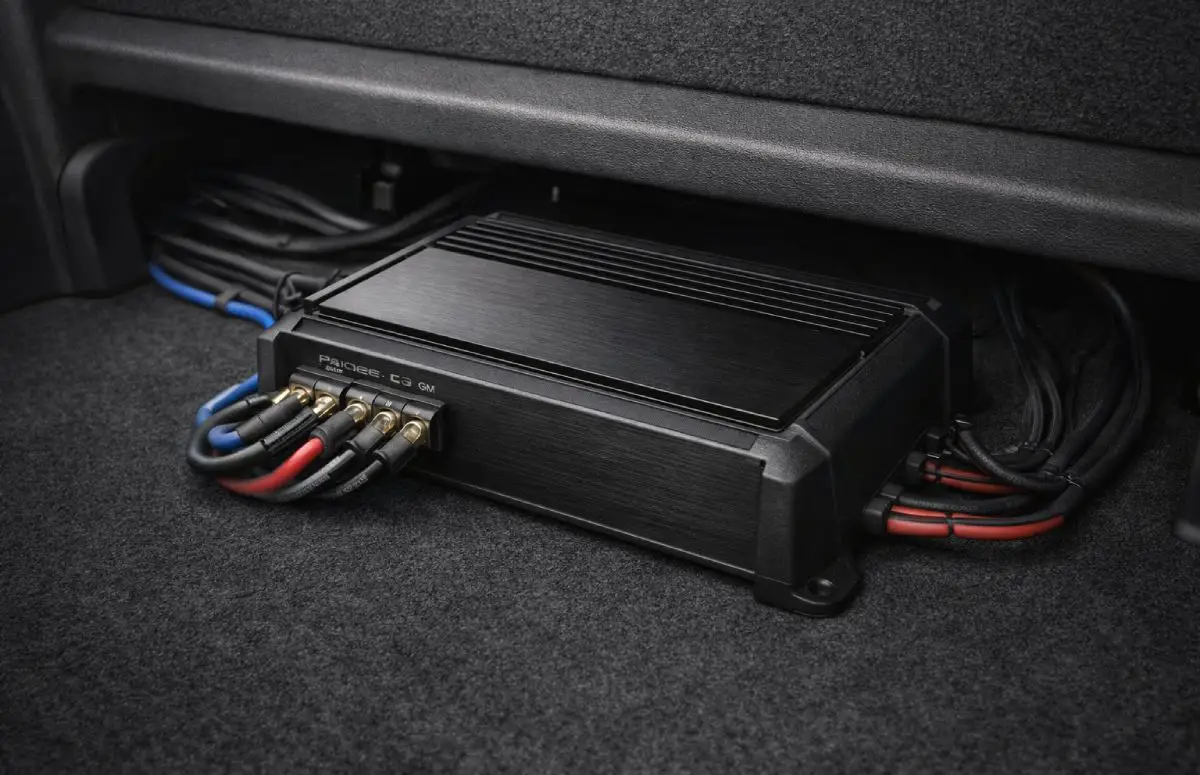
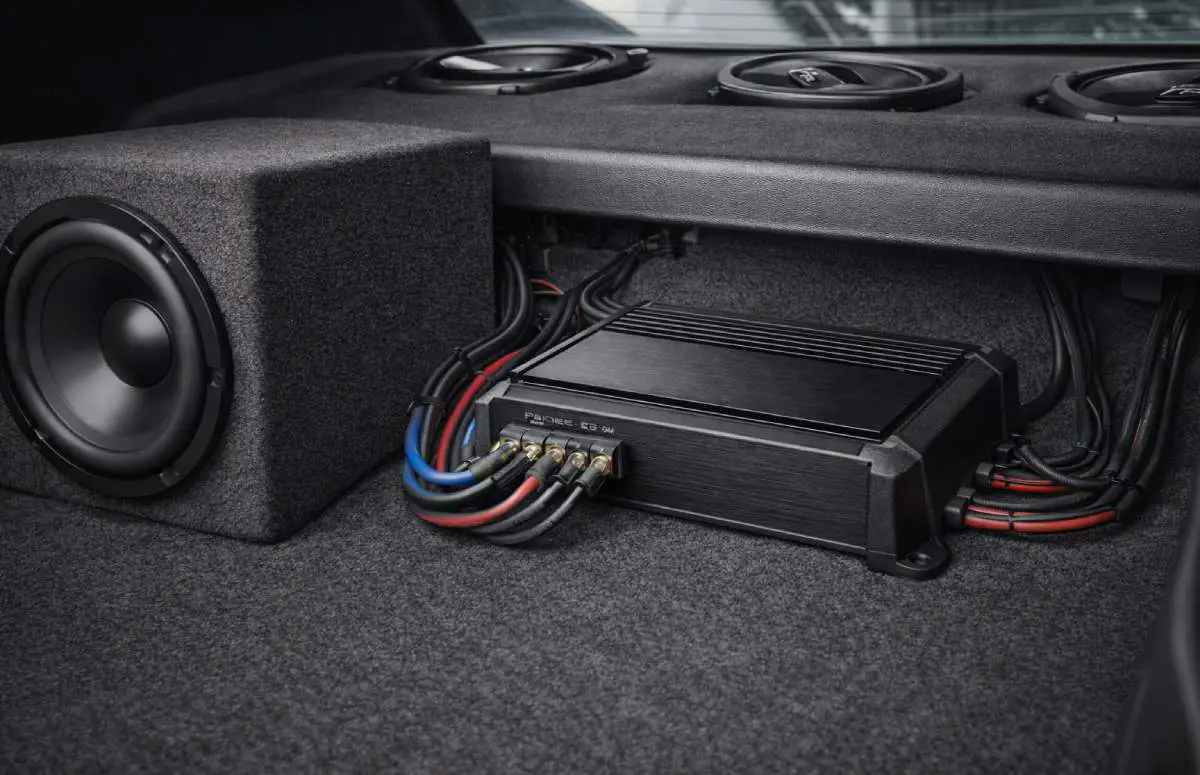
GM-D amplifiers use compact Class-D layouts that fit easily under seats, behind panels, or in small trunk spaces. The reduced size does not compromise output for typical daily systems.
Build Materials and Cooling
The chassis design focuses on heat dissipation through efficient layouts rather than oversized heatsinks. Protection circuits help prevent damage from overheating, short circuits, or incorrect wiring.
Sound Quality in Daily Driving
Sound quality is where many budget amplifiers fall short, but the GM series maintains a consistent standard.
Bass Performance with Mono Amplifiers
When paired with suitable subwoofers, GM-D mono amps deliver tight, controlled bass. The low-end feels punchy rather than loose, making bass lines and kick drums sound clean even during longer listening sessions.
Speaker Clarity with Multi-Channel Amplifiers
For speaker systems, GM multi-channel amplifiers offer improved clarity over factory power. Vocals sound cleaner, midrange detail improves, and high frequencies remain controlled without harshness.
Features That Matter in the Real World
The GM series focuses on features that simplify tuning rather than overwhelming users.
Built-In Crossovers and Filters
Most GM amplifiers include adjustable low-pass and high-pass filters. These allow users to tailor bass and speaker output without requiring an external processor.
Bass Boost and Remote Controls
Many mono models include bass boost and optional remote level controls. While bass boost should be used carefully, remote controls allow quick adjustments depending on music style.
Signal Sensing and Auto Turn-On
Automatic signal detection simplifies installation, especially when integrating with factory head units. This feature removes the need for a dedicated remote turn-on wire in many setups.
Reliability and Protection Systems
Reliability is a major selling point of the Pioneer GM series.
Pioneer Protection Control System
Pioneer includes built-in protection circuits that monitor temperature, voltage, and current. These systems reduce the chance of sudden shutdowns or permanent damage.
Long-Term Use Expectations
In daily-driven vehicles, GM amplifiers are known for consistent performance when installed correctly. Proper ventilation and wiring remain important for long-term reliability.

Installation Scenarios and Best Use Cases
The GM series adapts well to various system designs.
Subwoofer-Only Systems
Mono GM-D amplifiers work well for adding bass to factory or aftermarket systems without replacing everything else.
Speaker-Only or Full-System Builds
Multi-channel and 5-channel GM amplifiers suit users who want a balanced upgrade that improves clarity across the entire frequency range.
Pros and Cons of the Pioneer GM Amplifier Series
Pros
- Compact and efficient designs
- Reliable power delivery
- User-friendly features
- Good value for daily drivers
Cons
- Not designed for extreme competition builds
- Limited advanced DSP features
- Bass boost can be misused if not tuned carefully
Pioneer GM Series vs Competing Amplifier Lines
Compared to similar offerings from brands like Alpine, Rockford Fosgate, and Kenwood, the GM series holds its ground. It may not outperform high-end models, but it offers dependable performance at a reasonable price.
Value for Money
For users prioritizing reliability and ease of use, the GM series delivers strong performance per dollar.
Who Should Buy a Pioneer GM Amplifier?
Pioneer GM amplifiers are ideal for daily drivers, beginners, and anyone upgrading from factory audio. They suit users who want noticeable improvement without complexity.
Frequently Asked Questions
Are Pioneer GM amplifiers good for daily drivers?
Yes. They are designed for consistent performance and long-term use in everyday vehicles.
Can GM series amps power aftermarket subwoofers safely?
When matched properly, they deliver clean and controlled power suitable for most aftermarket subwoofers.
Do Pioneer GM amplifiers overheat easily?
They are designed with protection systems that reduce overheating risk when installed correctly.
Are GM-A or GM-D models better for beginners?
GM-A models are simpler, while GM-D models offer more power efficiency in compact spaces.
Are Pioneer GM amplifiers worth the price today?
For practical car audio upgrades, they remain a solid value.
Final Thoughts on the Pioneer GM Amplifier Series
The Pioneer GM amplifier series delivers exactly what it promises: practical performance, reliable power, and user-friendly installation. These amplifiers are not built for competition trophies, but they excel at making daily driving more enjoyable.
If your goal is clean sound, solid bass, and dependable operation without overcomplicating your system, the Pioneer GM series remains a smart and proven choice.